FURNITURE DESIGN
The Furniture Design course allowed me to explore the intersection of functionality, materiality, and craftsmanship. Through hands-on experimentation with wood, joinery, and form, I learned how design ideas evolve from sketches and digital renders into tangible, full-scale objects. The process emphasized precision, patience and the beauty of traditional woodworking techniques.

1. WOODEN SWING
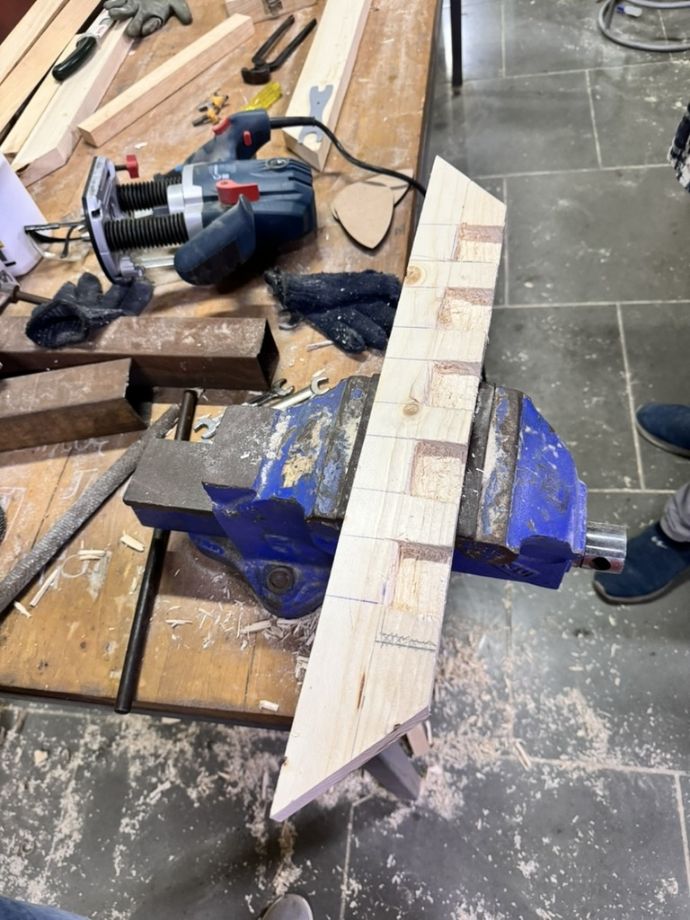
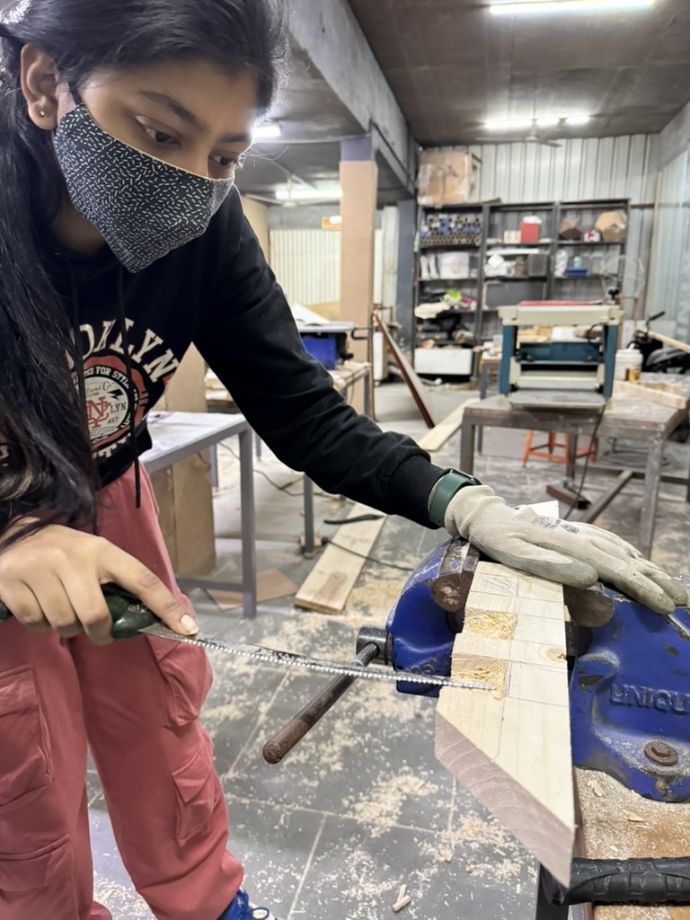
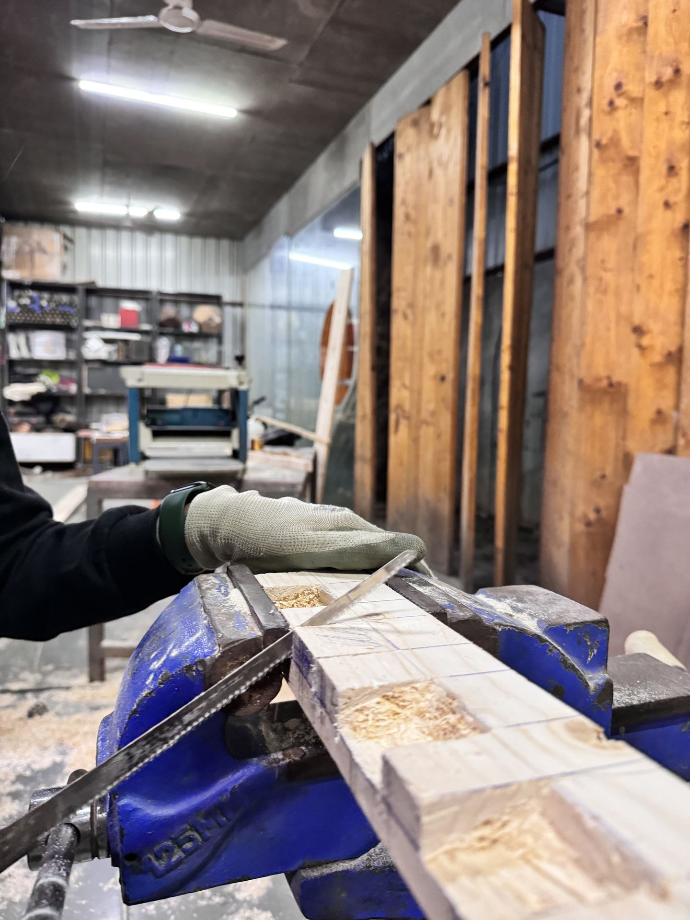
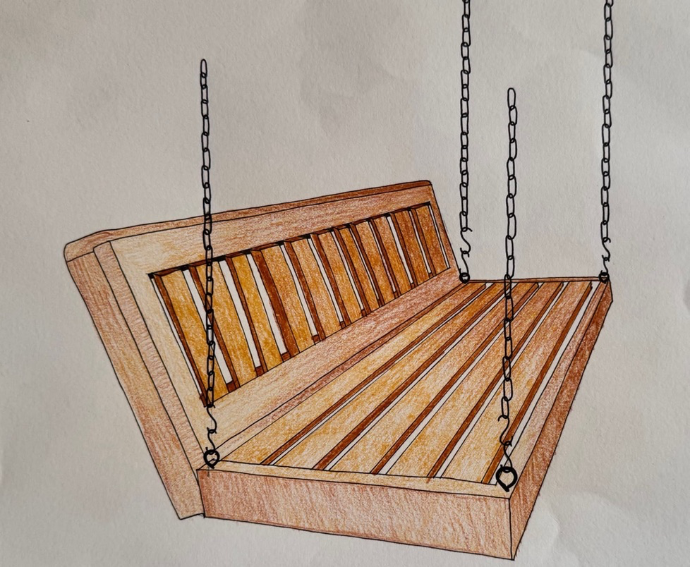
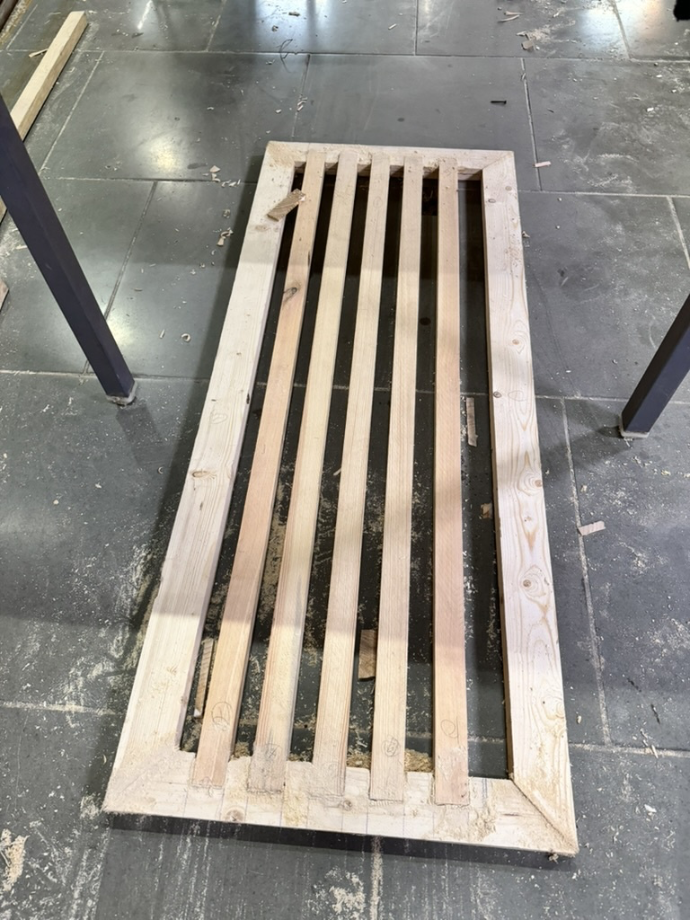
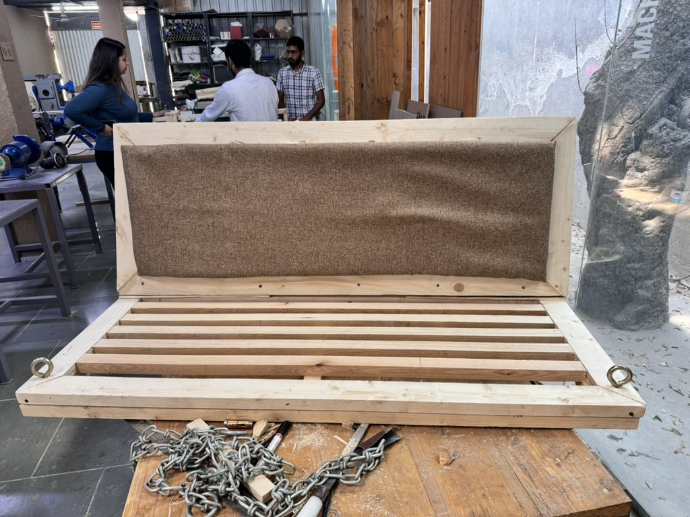
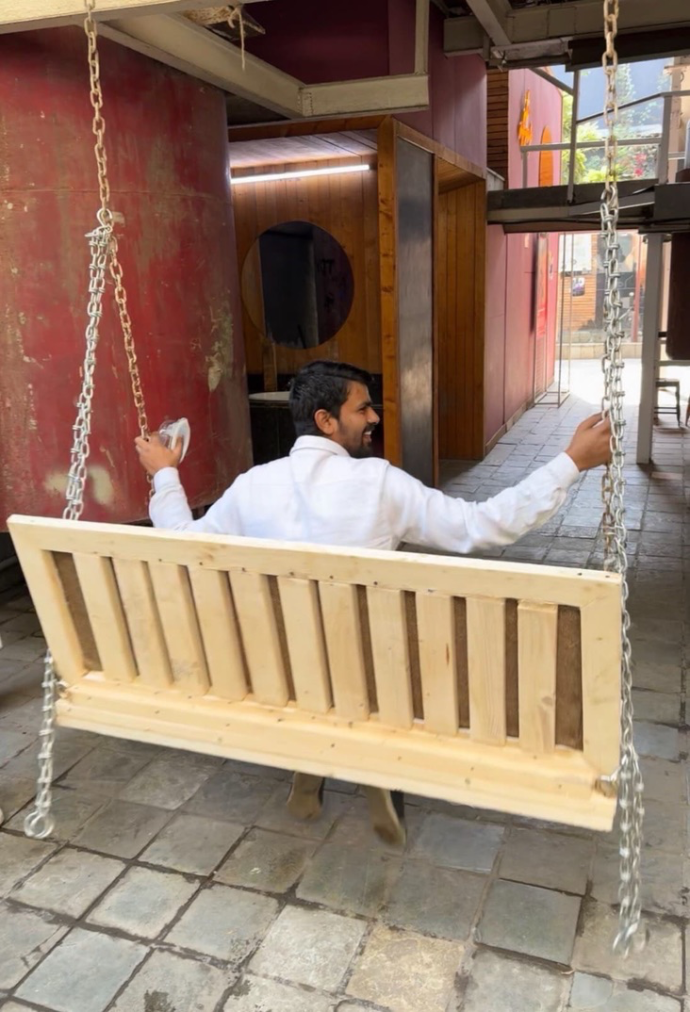
We were given a furniture piece to get Inspiration and built another furniture. So, inspired by the Nelson Platform Bench by Herman Miller, I designed and built a wooden swing that embodies simplicity and craftsmanship. The structure was constructed entirely without nails, using only traditional joinery techniques and wood glue for assembly, ensuring strength and longevity.
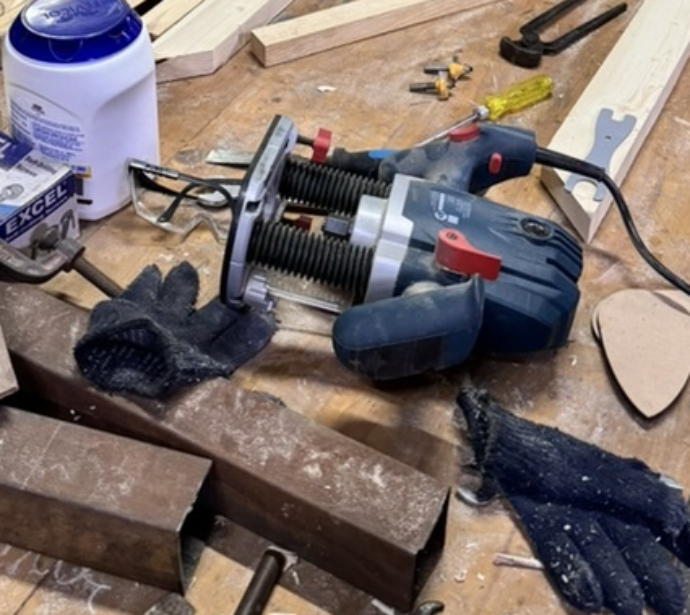
Initially, I developed conceptual sketches and 3D renders to refine the design before moving into full-scale construction using pine wood. A combination of hand and power tools, such as the hand saw, router, belt sander, and miter saw, were used to achieve both accuracy and a refined finish.
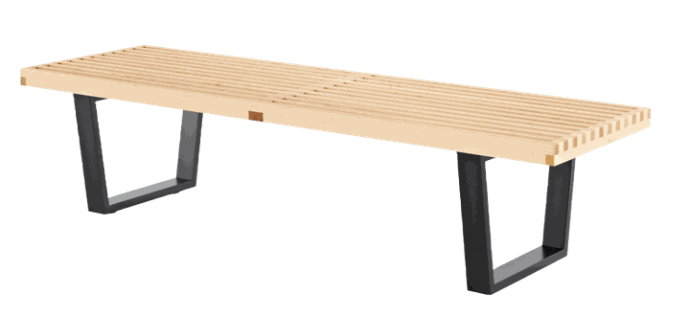 Nelson Platform Bench by Herman Miller
PROCESS
2. Modular Table
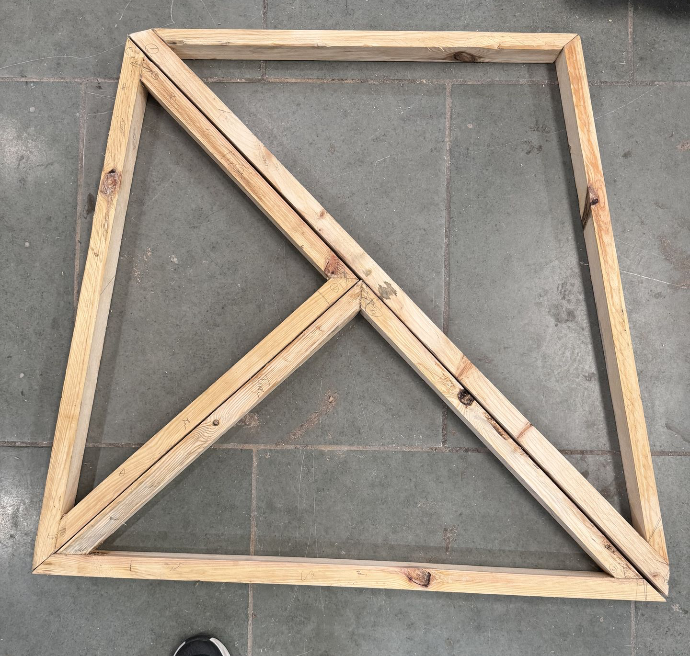
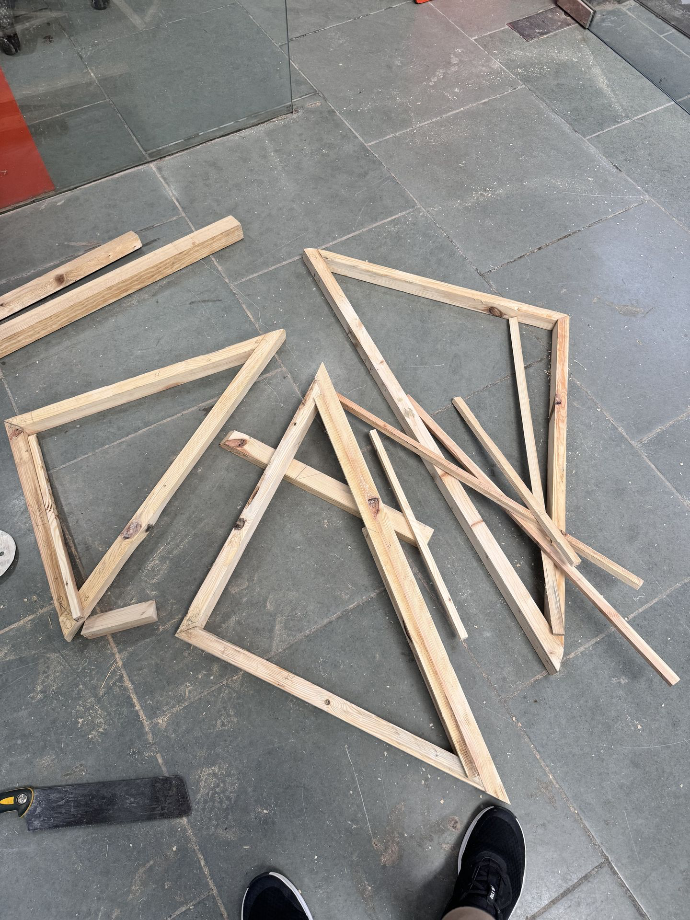
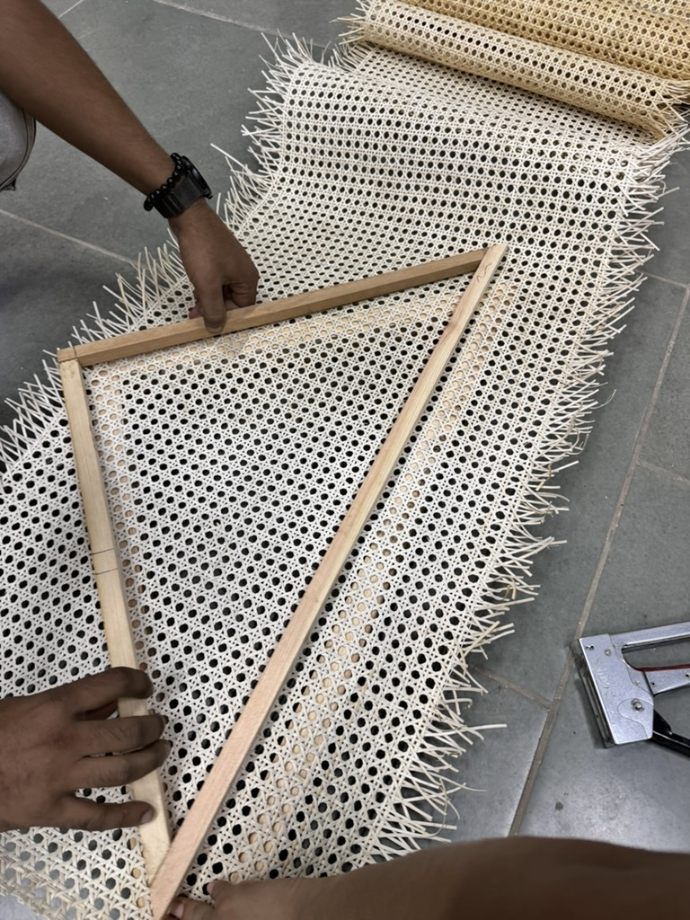
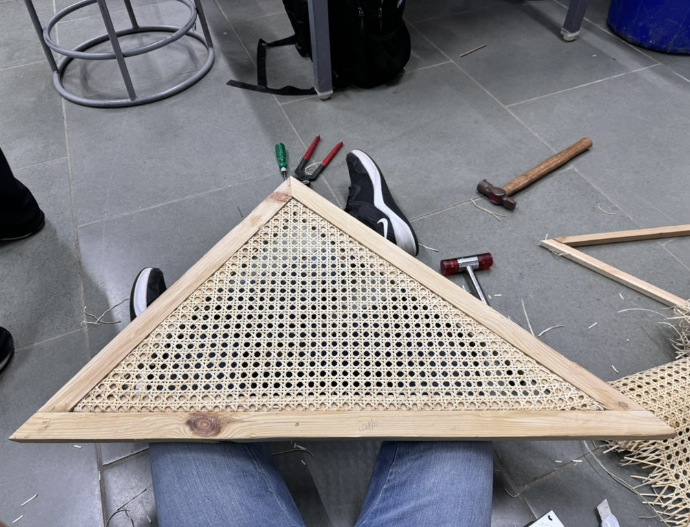
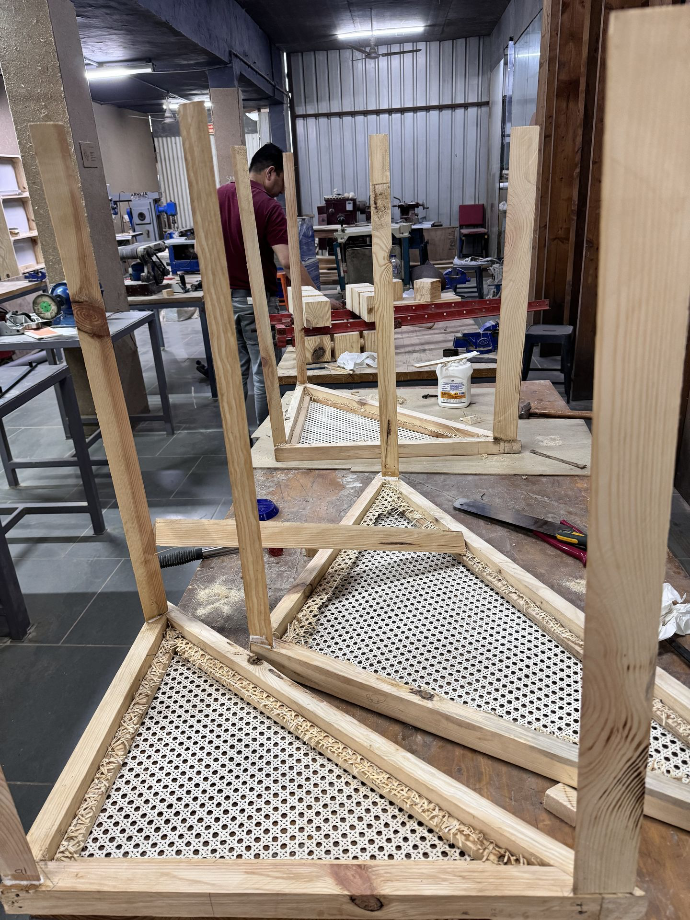
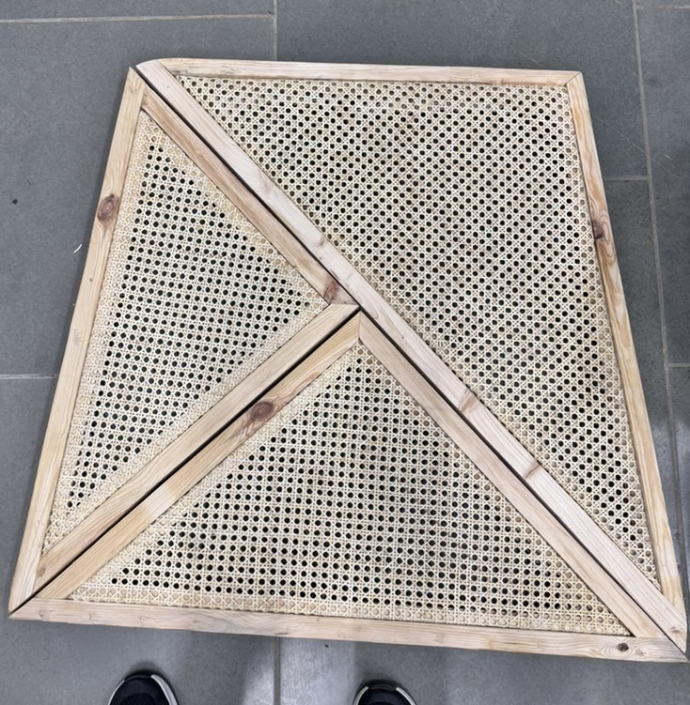
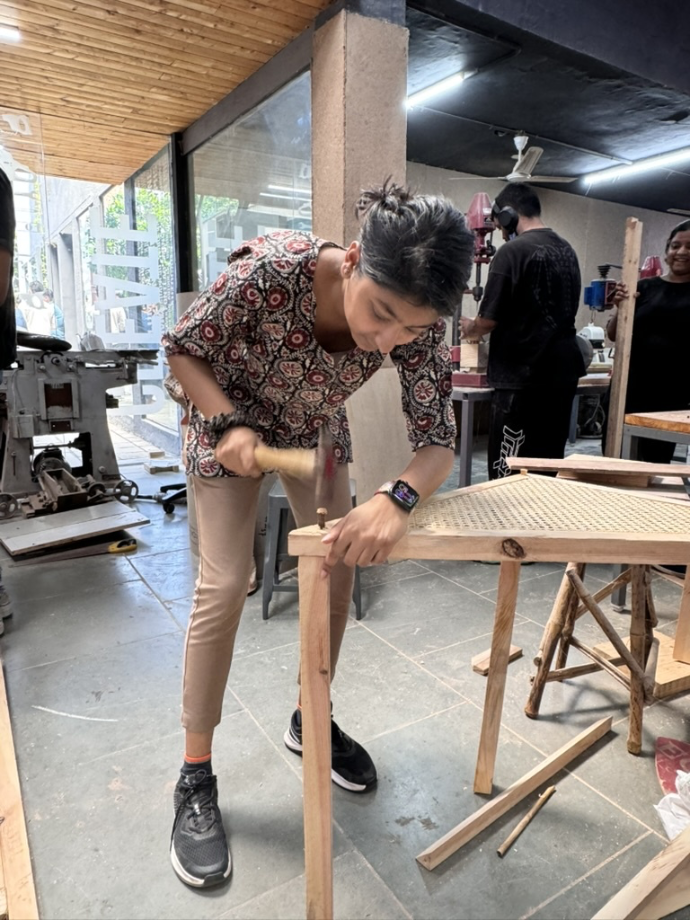
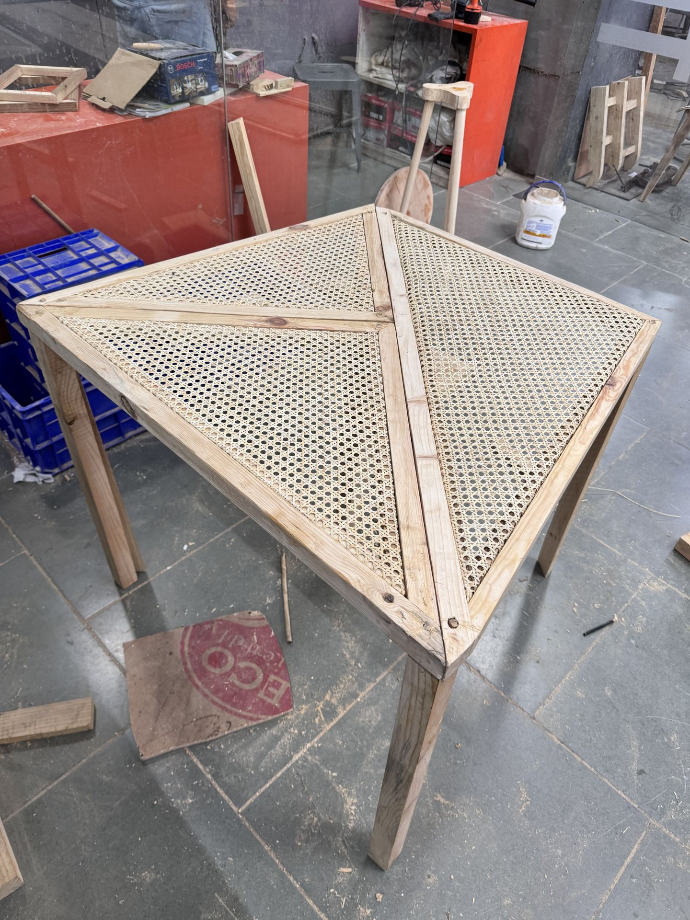
In addition, I designed and fabricated a parallelogram-shaped table that can be divided into three triangular modules, each functioning as an independent table. Constructed at a 1:1 scale using teak wood and rattan cane, this design explores flexibility and modularity in furniture, allowing multiple spatial configurations while maintaining a cohesive aesthetic.

PROCESS