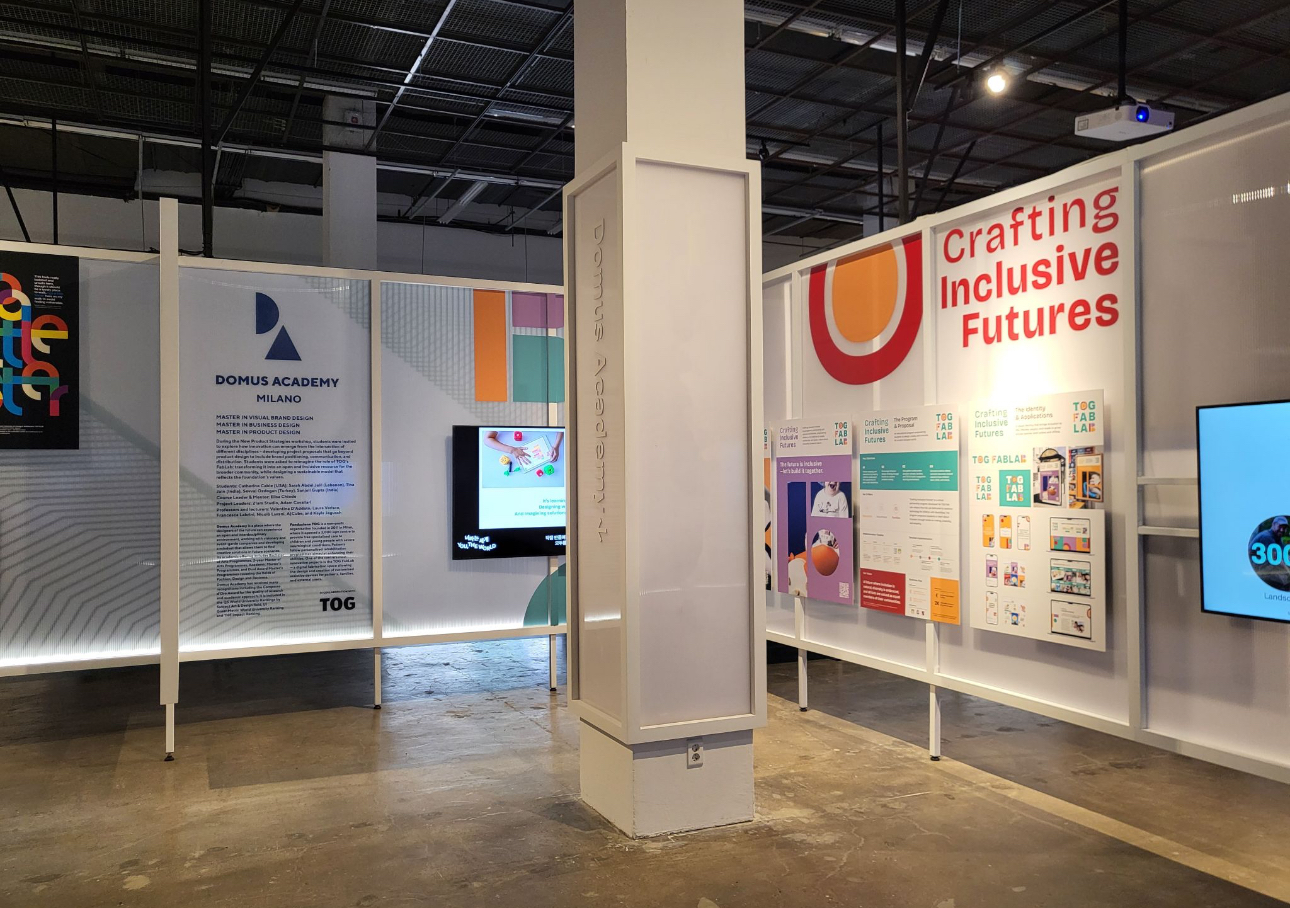
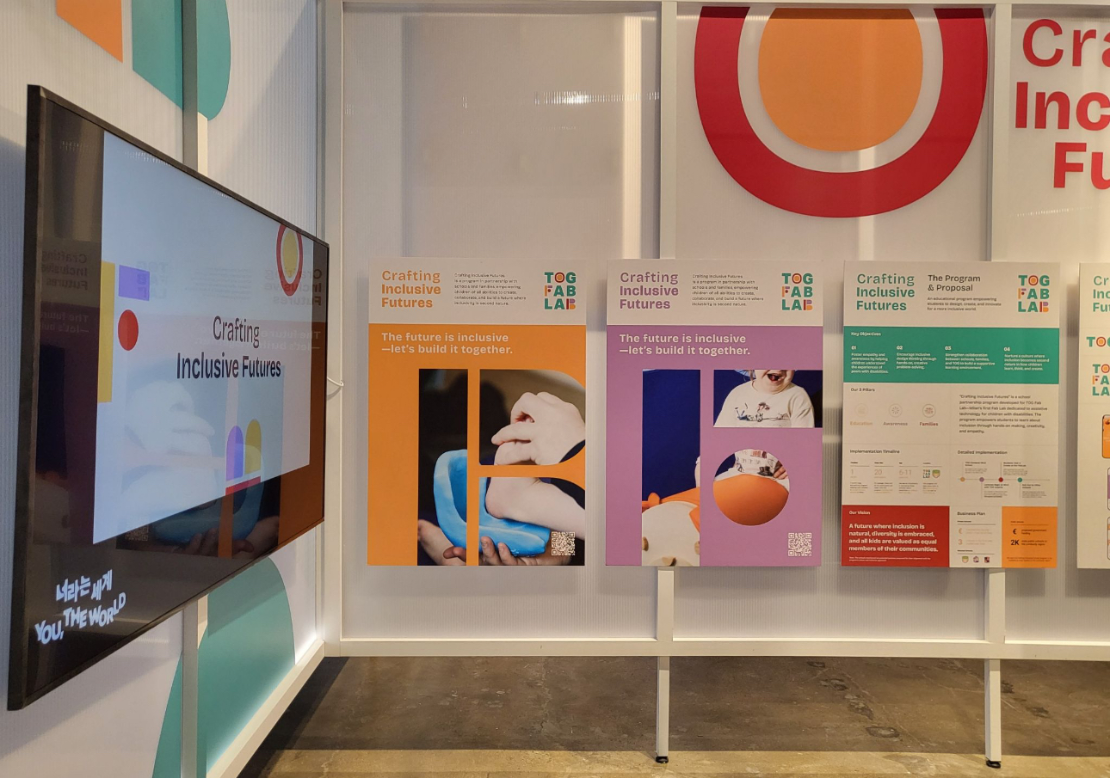
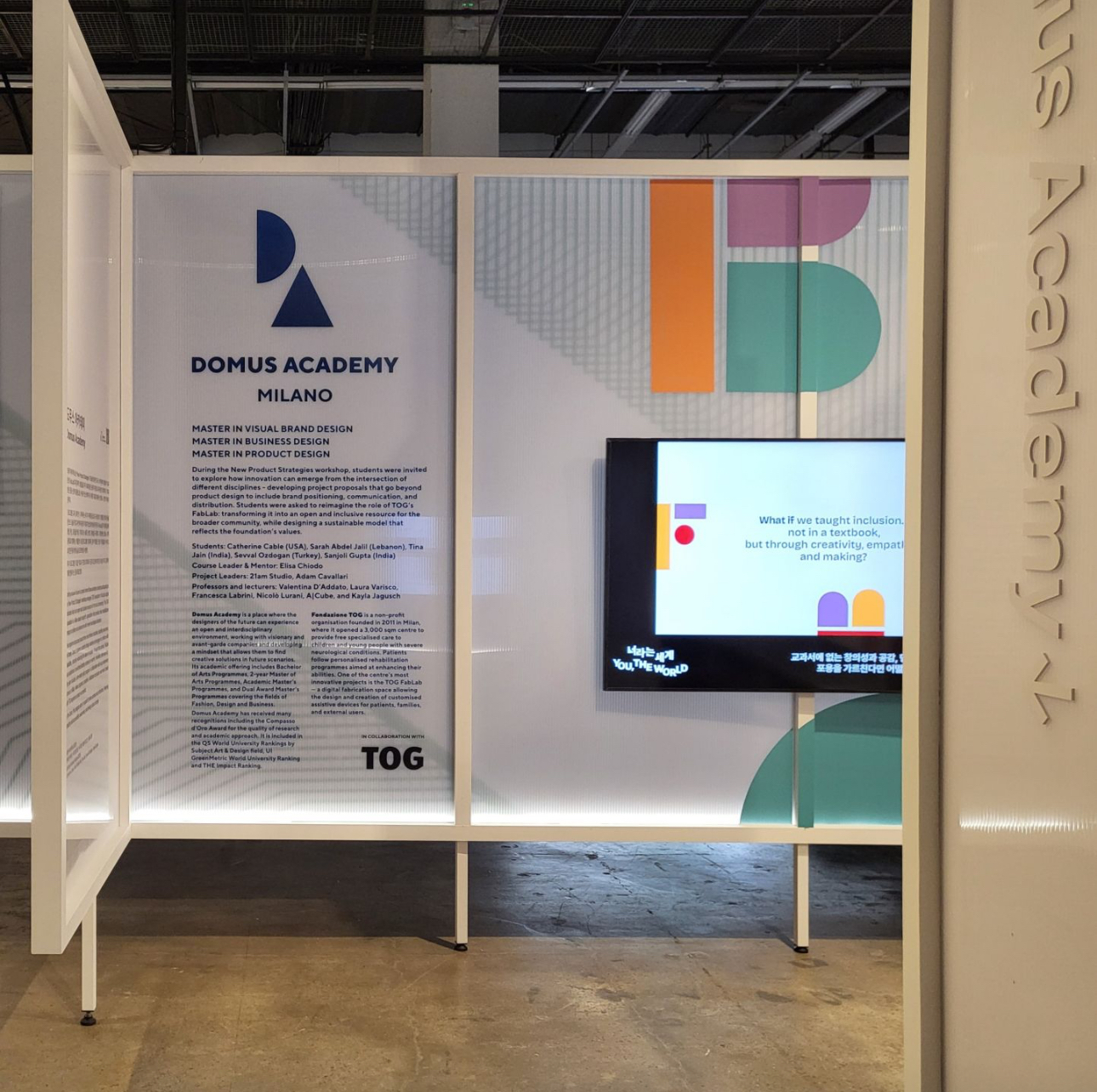
CRAFTING INCLUSIVE FUTURES
CONCEPT OVERVIEW
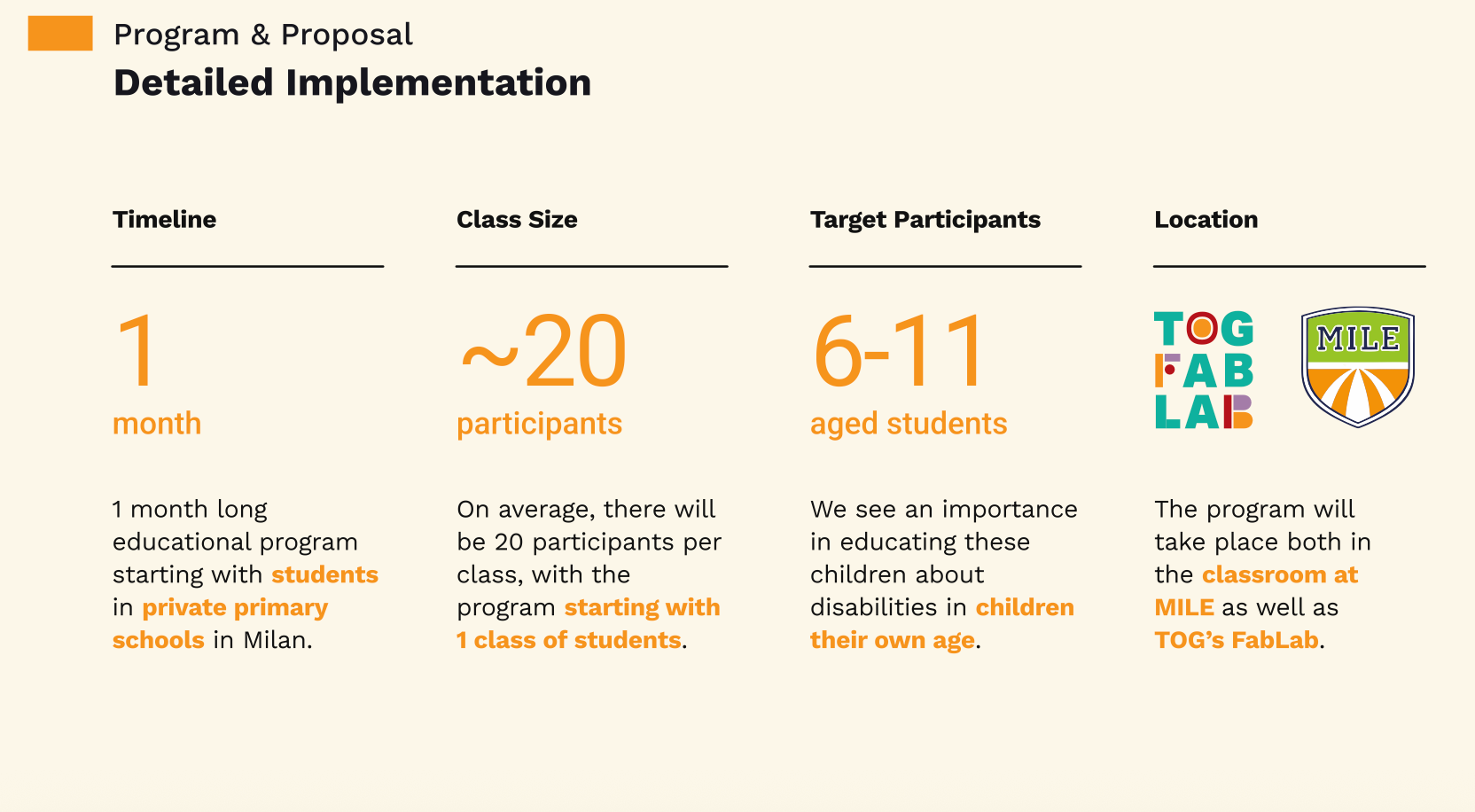
TOG Fab Lab’s Crafting Inclusive Futures is a hands-on educational concept that empowers children aged 6–11 to design assistive technologies and inclusive experiences for peers with neurological disabilities. The concept centres on learning through empathetic storytelling, co-creation with families and therapists, and rapid prototyping in a makers pace. The outcome is both tangible prototypes and a shift in how children and communities understand accessibility.
Problem and Insight
Observed problem
Early education rarely teaches accessibility, leaving children unaware of everyday barriers faced by peers with disabilities.
Core insight
Inclusion becomes natural when children learn to see problems through lived stories and then build solutions themselves.
Design response
Combine narrative-driven empathy exercises with maker-based prototyping so students move from understanding to action within a single program.
THE PROGRAME AND PROPOSAL
An educational program empowering students to design, create, and innovate for a more inclusive world.
KEY OBJECTIVES
- Foster empathy and awareness by helping children understand the experiences of peers with disabilities.
- Encourage inclusive design thinking through hands-on, creative problem-solving.
- Strengthen collaboration between schools, families, and TOG to build a supportive learning environment.
- Nurture a culture where inclusion becomes second nature in how children learn, think, and create.

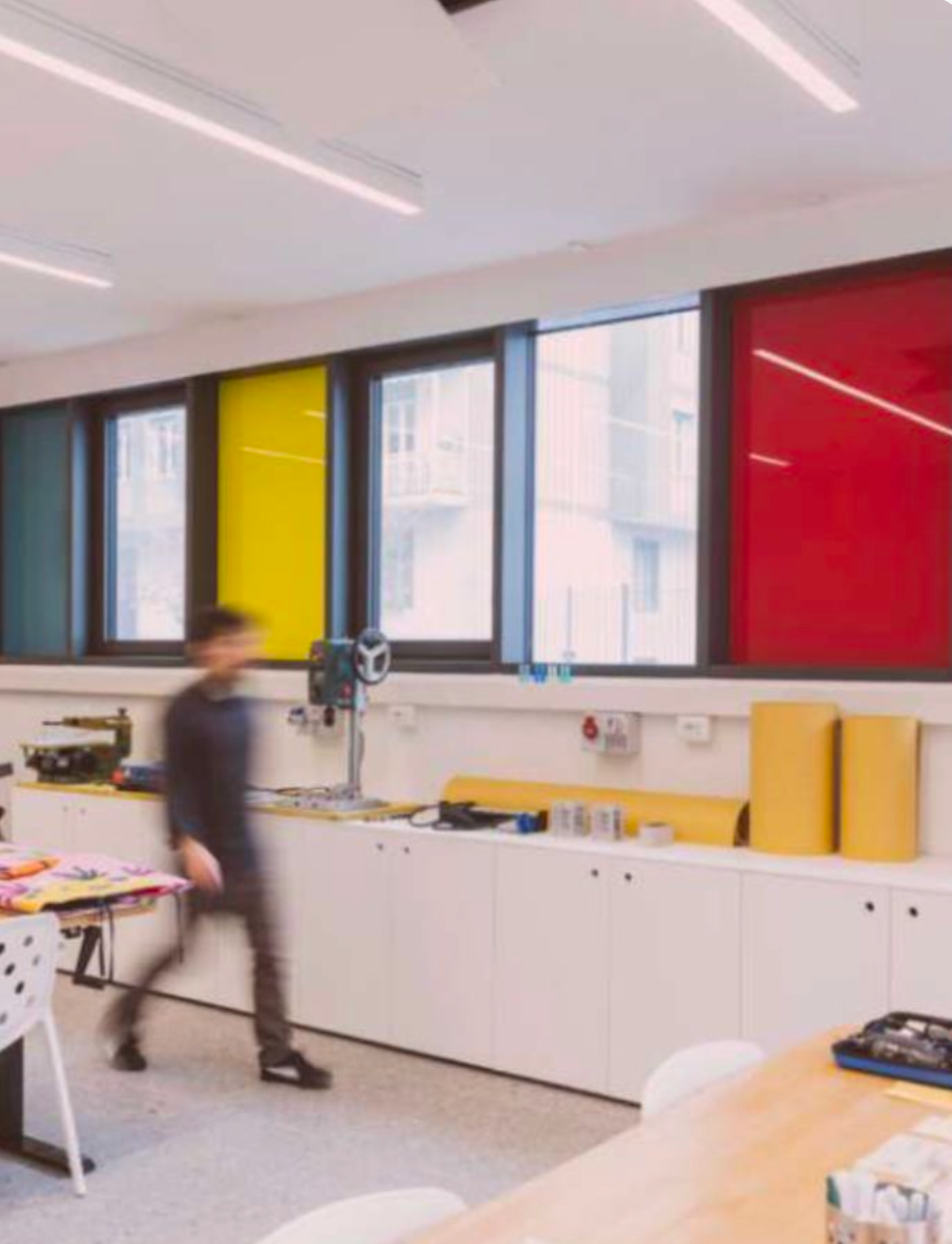
“Crafting Inclusive Futures” is a school partnership program developed for TOG Fab Lab—Milan’s first Fab Lab dedicated to assistive technology for children with disabilities. The program empowers students to learn about inclusion through hands-on making, creativity, and empathy.
OUR VISION
A future where inclusion is natural, diversity is embraced, and all kids are valued as equal members of their communities.
Note: The schools mentioned are potential partners proposed for their alignment with the program’s values and inclusive approach.

IDENTITY AND APPLICATIONS