COMFY LIFT
The project focuses on designing furniture and lifestyle accessories that seamlessly blend functionality, comfort, and aesthetics to meet the needs of the elderly while maintaining Orange Tree’s design ethos. These designs should prioritise inclusivity, addressing challenges such as mobility, agility and dexterity, without compromising on elegance or versatility. The goal is to create solutions that enhance the day-to-day living experience of the elderly, offering ergonomic comfort, intuitive mechanisms, and adaptable features suited for multi-generational households. The outcome should reflect a thoughtful integration of user centric design with Orange Tree’s contemporary, luxurious appeal, ensuring that the products serve both practical and aspirational purposes.

THE ELDERLY
Aging is a natural process that brings about significant physical, emotional, and social changes. In India, the elderly population, defined as those aged 60 and above, is rapidly increasing due to advancements in healthcare and higher life expectancy. While aging brings wisdom, it also presents challenges that need empathy and understanding. In Indian society, traditional family values emphasize respect for the elderly, yet modernization and urbanization have reshaped family dynamics, creating unique challenges for senior citizens.

FURNITURE
Globally, elderly furniture is designed with a focus on comfort, safety, and accessibility. Common pieces include recliners, lift chairs, lounge chairs, and adjustable tables that support ease of sitting and standing. Furniture often features higher seat heights, extra support, and ergonomic designs to promote better posture. In addition, specialized items like raised toilet seats, shower chairs, and grab bars are common for daily use.

OUR VISION
Our vision is to redefine the way we perceive aging by creating elegant, functional, and joyful designs for the elderly. We aim to break-free from the typical stereotypes surrounding aging, offering products that empower them to live with grace, independence, and style. Our mission is to create pieces that resonate with the elderly, blending practicality with beauty, to make their daily lives easier, more comfortable, and above all, fun. We want to design furniture and accessories that breathe life into their homes, infusing warmth, joy, and sophistication into spaces that reflect their vibrant spirits.
KEY RESEARCH
In a systematic review conducted from research in seven different countries, Harvey et al. (2013) found the majority of older adults are sedentary. Almost 60% of older adults reported sitting for more than 4 h per day, 65% sit in front of a screen for more than 3 h daily and over 55% report watching more than 2 h of TV. However, when measured objectively in a small survey, it was found that 67% of the older population were sedentary for more than 8.5 h daily. A Brazilian study by Meneguci et al. (2015) found the median value for sitting time to be 240 min a day. Participants were predominantly between 60 and 69 years old, educated, and physically active. Another study by Harvey et al. (2015) suggests much longer sitting times. According to the study, older adults are one of the most sedentary age groups, spending more than 60% (8.5 to 9.6 h) of their waking day sitting (Harvey et al. 2015). Study by Leask et al. (2015) suggested that older adults often sit most in the afternoon and evening (compared with the morning), and when they are alone at home.
POSTURE STUDY
Good posture means that the key parts of a person’s body are correctly aligned, with the right amount of support from muscle tension.
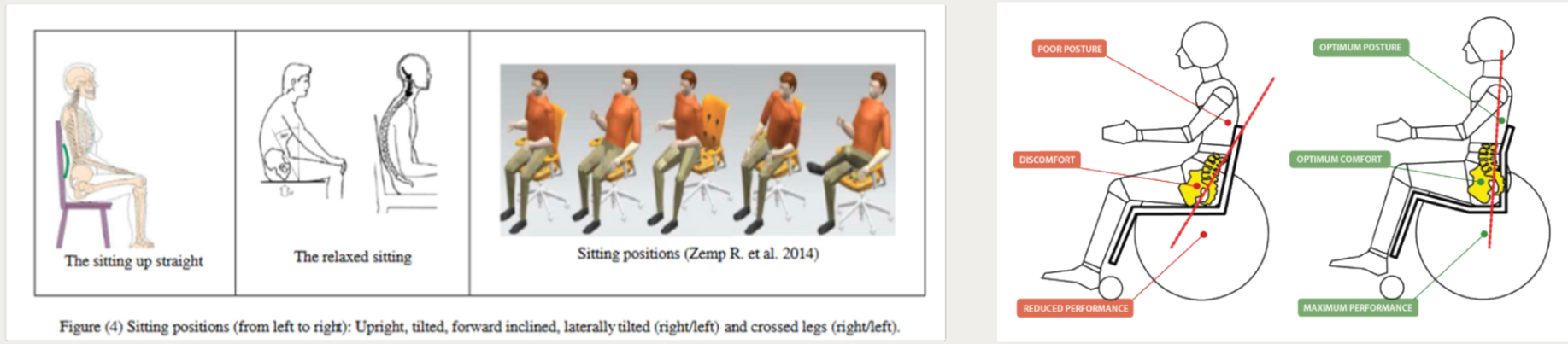
This diagram compares poor and optimal seated posture. Proper lumbar support and an upright backrest reduce spinal strain, ensuring balanced weight distribution and comfort essential for older adults, especially when standing up.
PROBLEM IDENTIFICATION
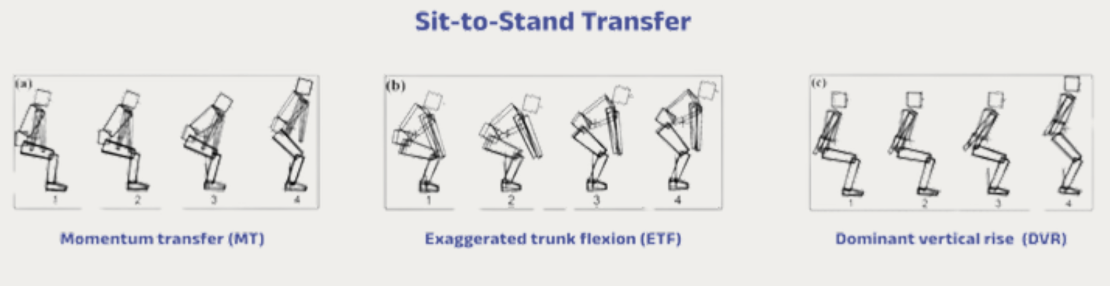
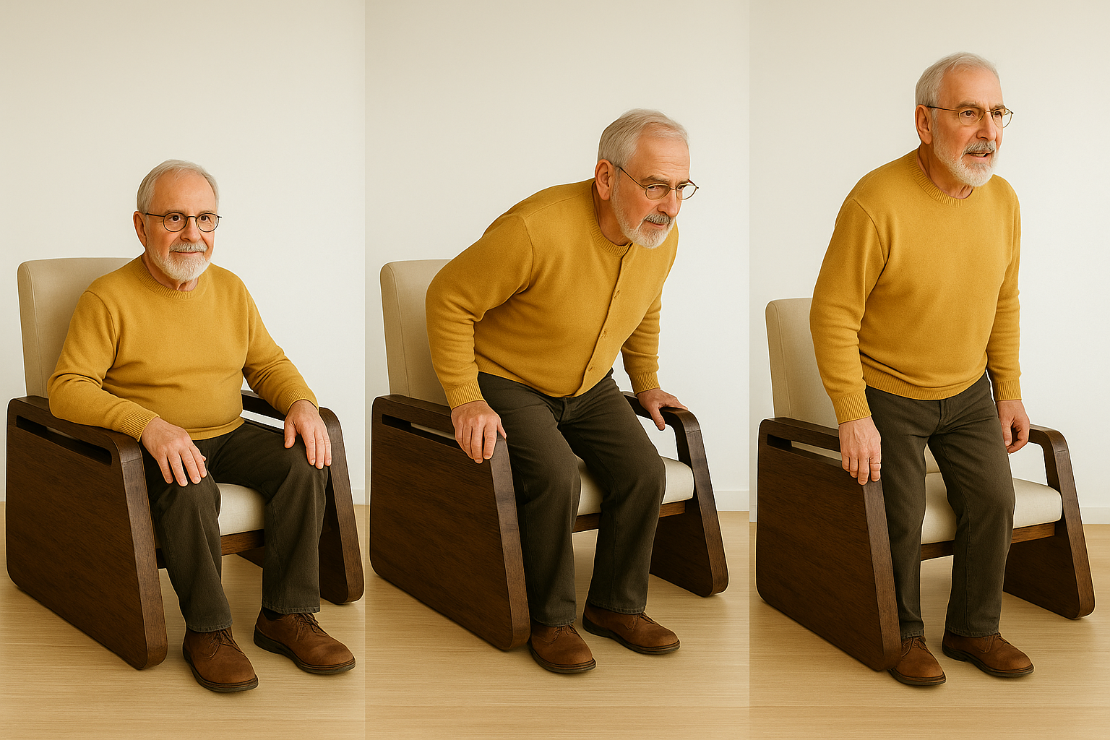
Standing from a seated position, known as sit-to-stand (STS) transfer, is vital for mobility and independence in older adults. Momentum transfer (MT) is the most common strategy, offering ease and efficiency for this biomechanically challenging task.
MOTION STUDY
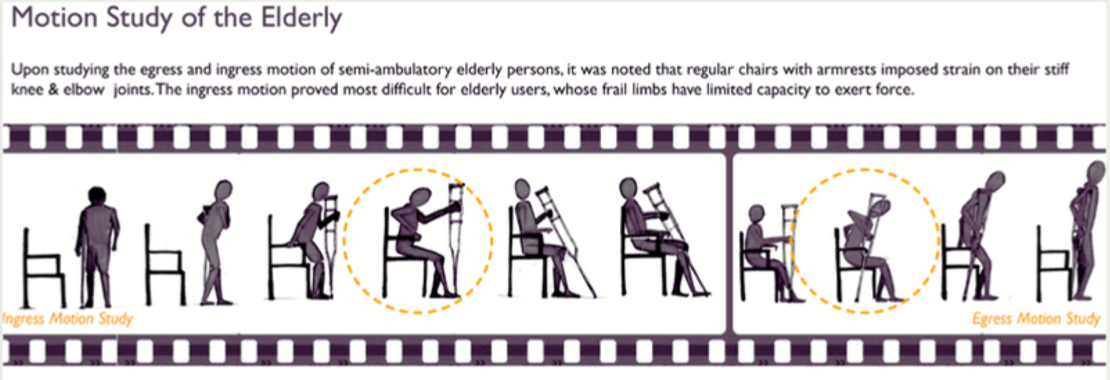
https://www.behance.net/gallery/15715489/Ergonomic-Chair-Design-for-Elderly
CONSIDERATIONS
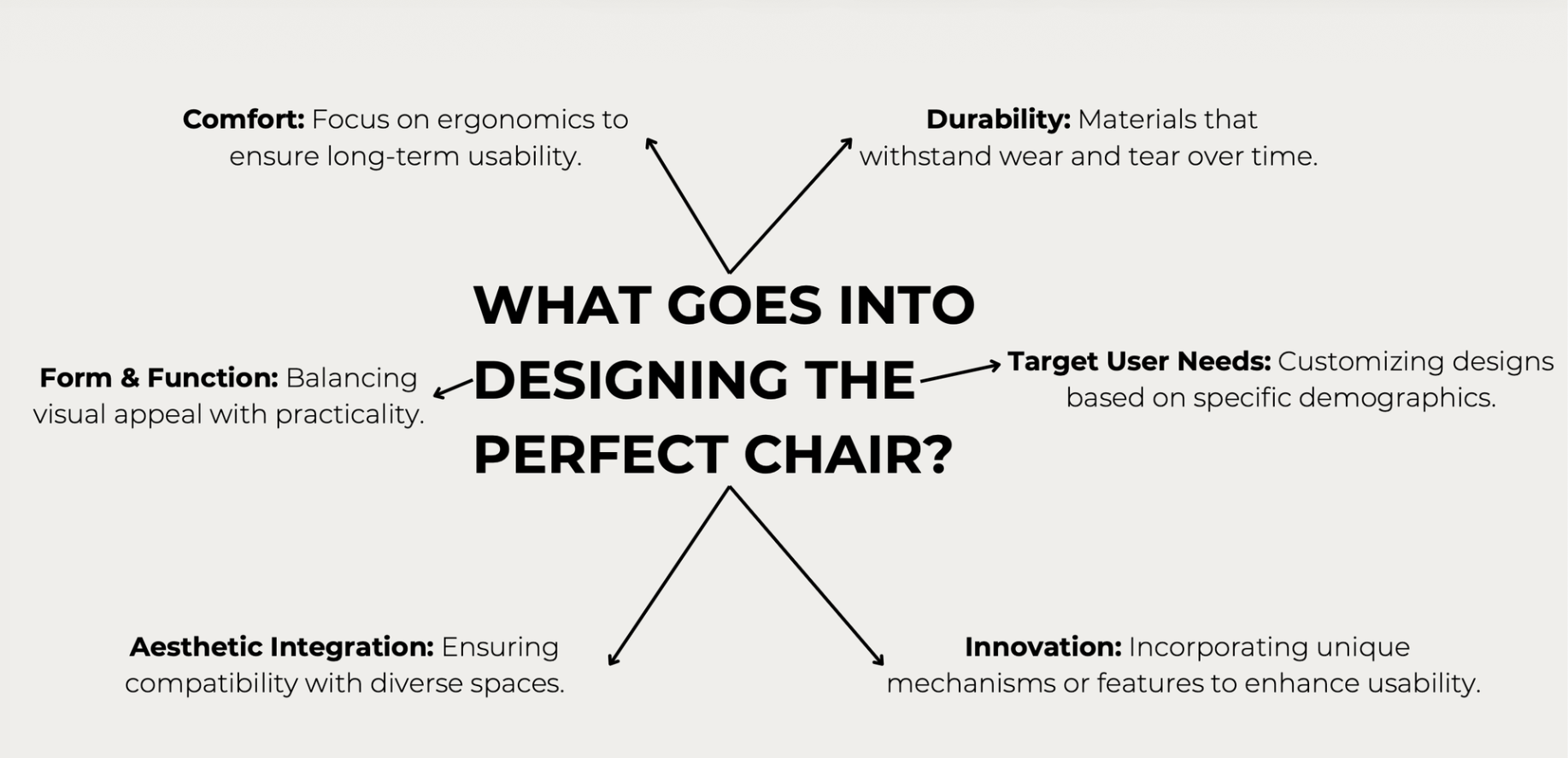
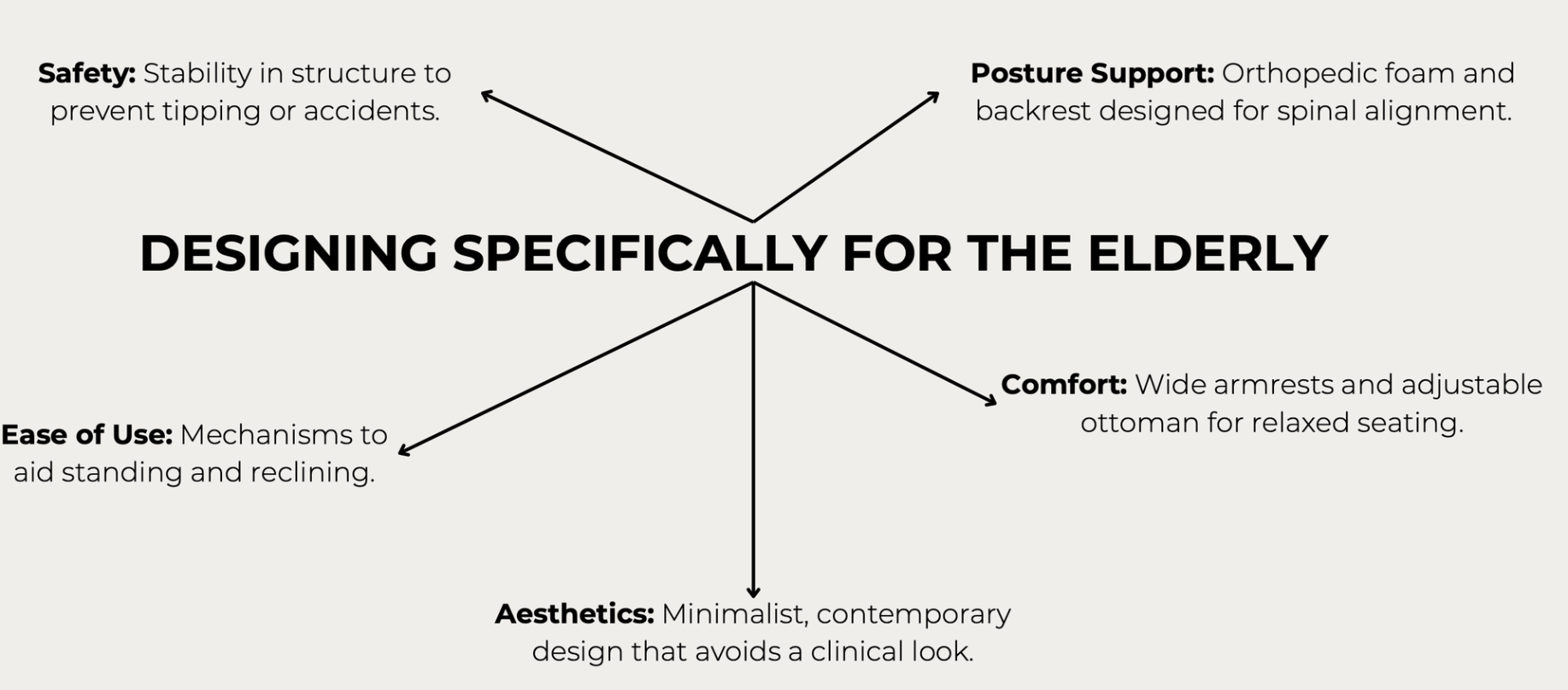
When designing products for the elderly, furniture must be based on ergonomics and the changes in old people physiology and psychology to make them safe, comfortable and practical.
NARRATIVE
Much like a slip-on shoe that offers ease and comfort, this chair is crafted to make life simpler for older adults. Its angled backrest and adjustable seat ensure smooth, strain-free transitions between reclining and standing, promoting independence. The curved, ergonomic design provides exceptional support and comfort. With mechanisms that effortlessly adjust for various activities, whether relaxing or eating, it combines practical functionality with a sleek, modern look that fits perfectly into any living space.
––WE DECIDED TO CREATE A LOUNGE CHAIR TO SOLVE THE STANDING AND POSTURE PROBLEM.
Lounge chairs are specifically designed for comfort, with a focus on supporting the body's natural posture.
- Posture Support
- Stress Relief
- Circulation Improvement
Elderly individuals: Features like adjustable height, footrests, and armrests make it easier for them to sit and get up.
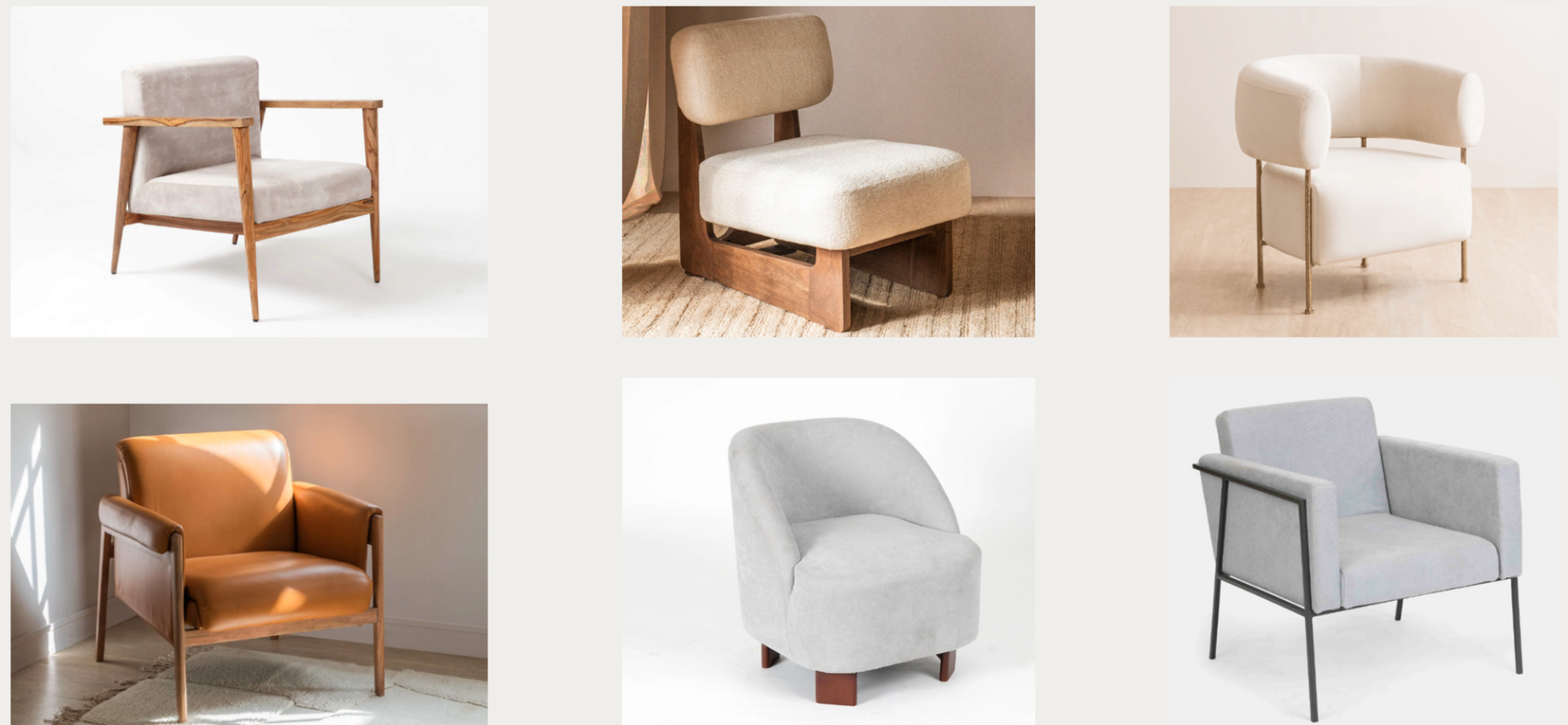
ORANGE TREE LOUNGE CHAIRS
THINGS TO KEEP IN MIND WHILE DESIGNING FOR ELDERLY
CASE STUDY
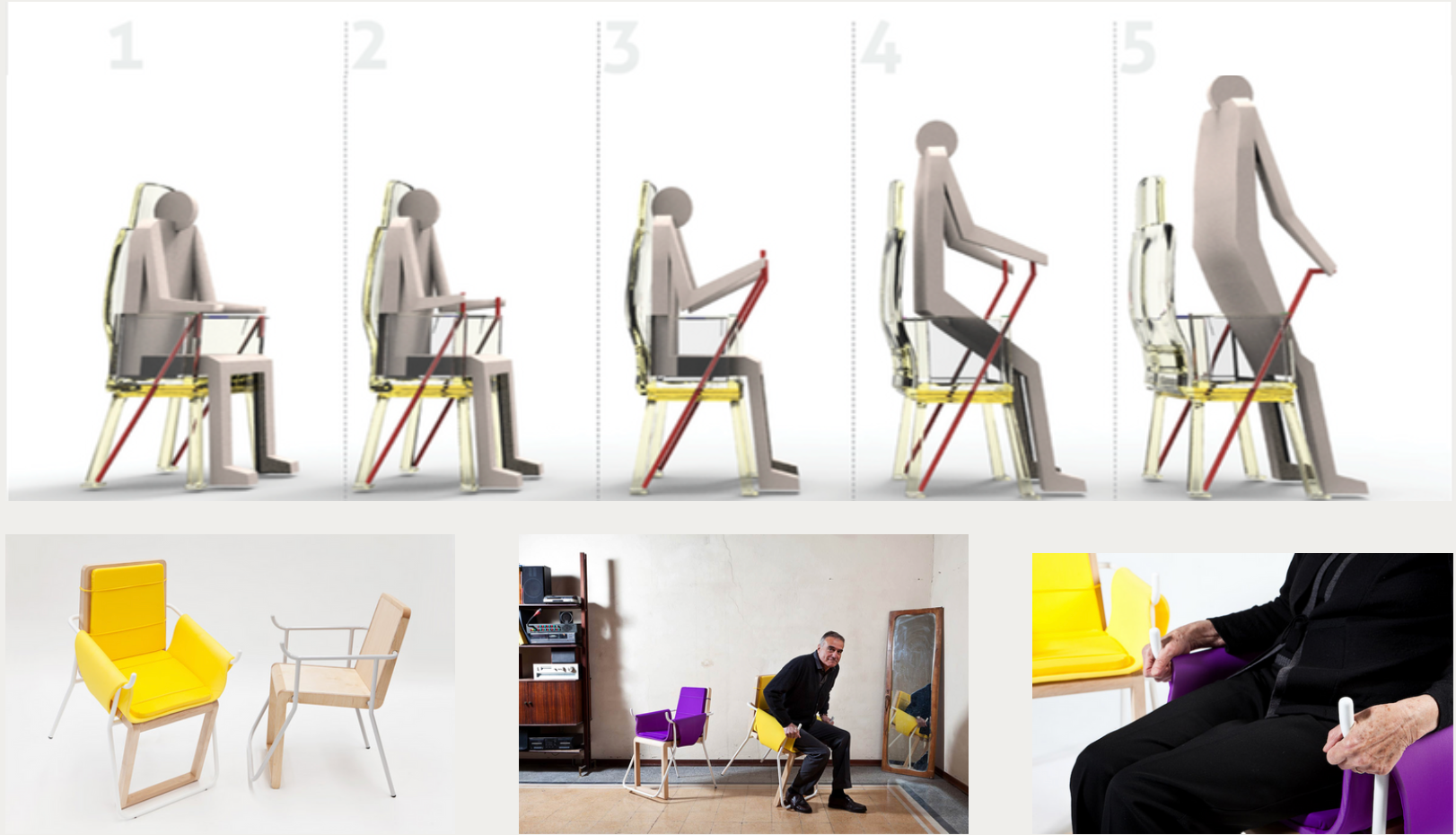
These are the case studies that have be viewed for further findings of the problems that occur to the elderly while standing up from the chair. It shows the pressure distribution and how people have tried to help them reduce pressure due to agility, dexterity and mobility.

ORANGE TREE LOUNGE CHAIR STUDY
These sketches analyze how the interaction between the chair’s height, seat depth, and armrest positioning influences body posture. Inadequate height or support can lead to forward-leaning postures, straining the lower back and knees. Elevating the seat slightly or refining armrest design can improve alignment and provide better leverage for standing up.
CONCEPT

- Effortless Standing
- Superior Back Support
- Wide Armrests
- Customizable Relaxation
- Simple and Stylish
- Ease of Use
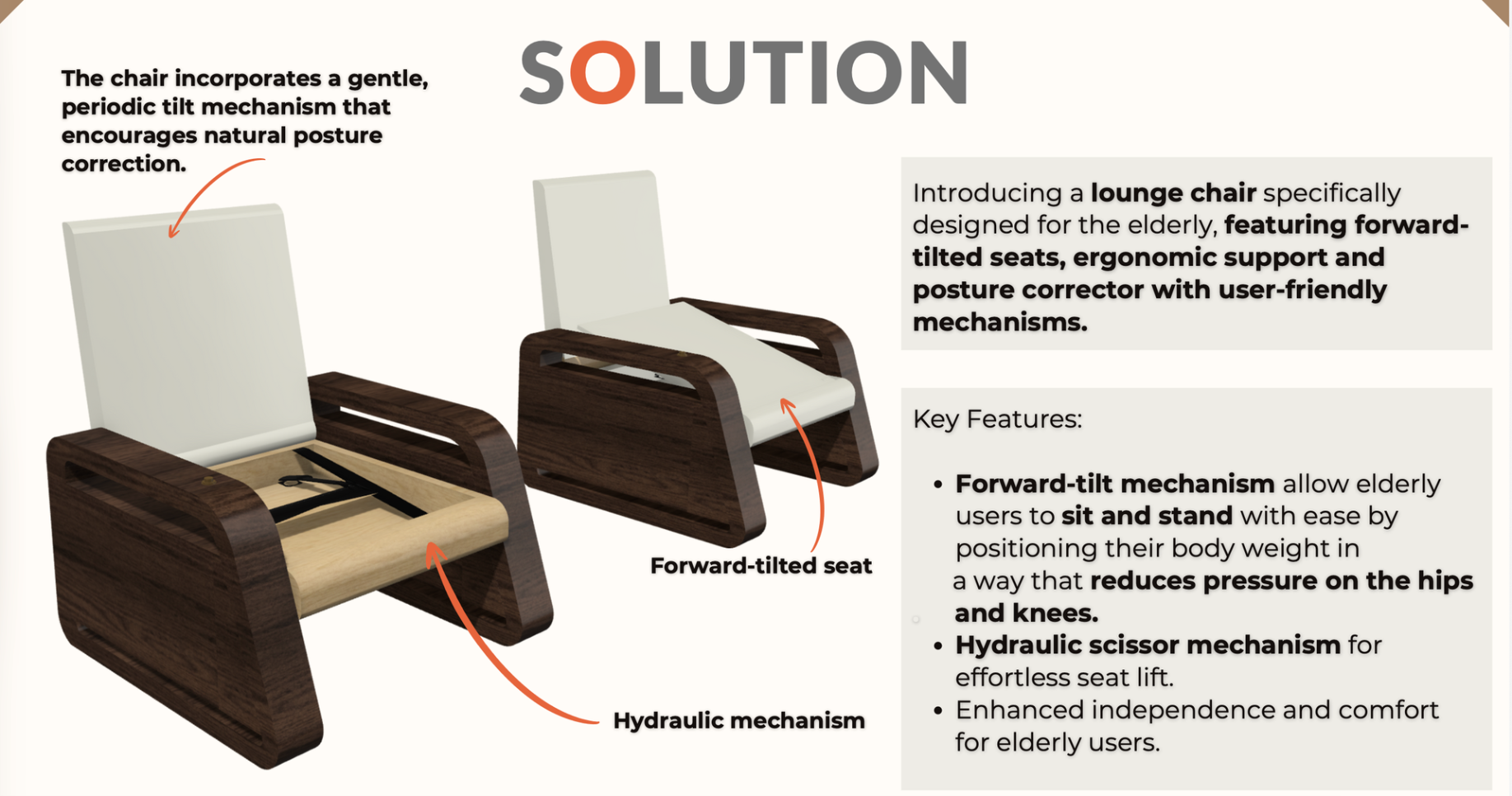

Forward-Tilted Seats
Purpose: Forward-tilted seats naturally align the hips above the knees, helping the spine stay aligned and promoting an upright posture.
Features: Tilting seats allow elderly users to sit and stand with ease by positioning their body weight in a way that reduces pressure on the hips and knees.
My role in this project was to carry out research and make connections and identifying the core problem. Also, did renders of the chair using shapr 3D software.